

One of the biggest shifts in branding today isn’t happening in technology or retail. It’s happening in beauty. They’ve become better at earning trust. The most significant evolution isn’t the packaging, it isn’t the formulation, and it isn’t even influencer marketing.
It’s that brands like Glossier and Rhode have stopped behaving like experts speaking to an audience. They don’t simply market products; they create multiple points of validation before someone decides to buy. That’s a remarkable shift for an industry that was once built on polished campaigns and celebrity endorsements.
When Glossier launched, it didn’t position itself as the brand with all the answers. It positioned itself as a brand that listened. Before launching products, founder Emily Weiss spent years building Into The Gloss, a platform where editors, makeup artists, and everyday consumers shared their routines and recommendations. Even today, its social content rarely feels like a traditional campaign. You’ll find real customers sharing selfies, routines, and “Get Ready With Me” videos sitting alongside the brand’s own content. Customers weren’t simply buying products; they were contributing to the brand’s evolution.
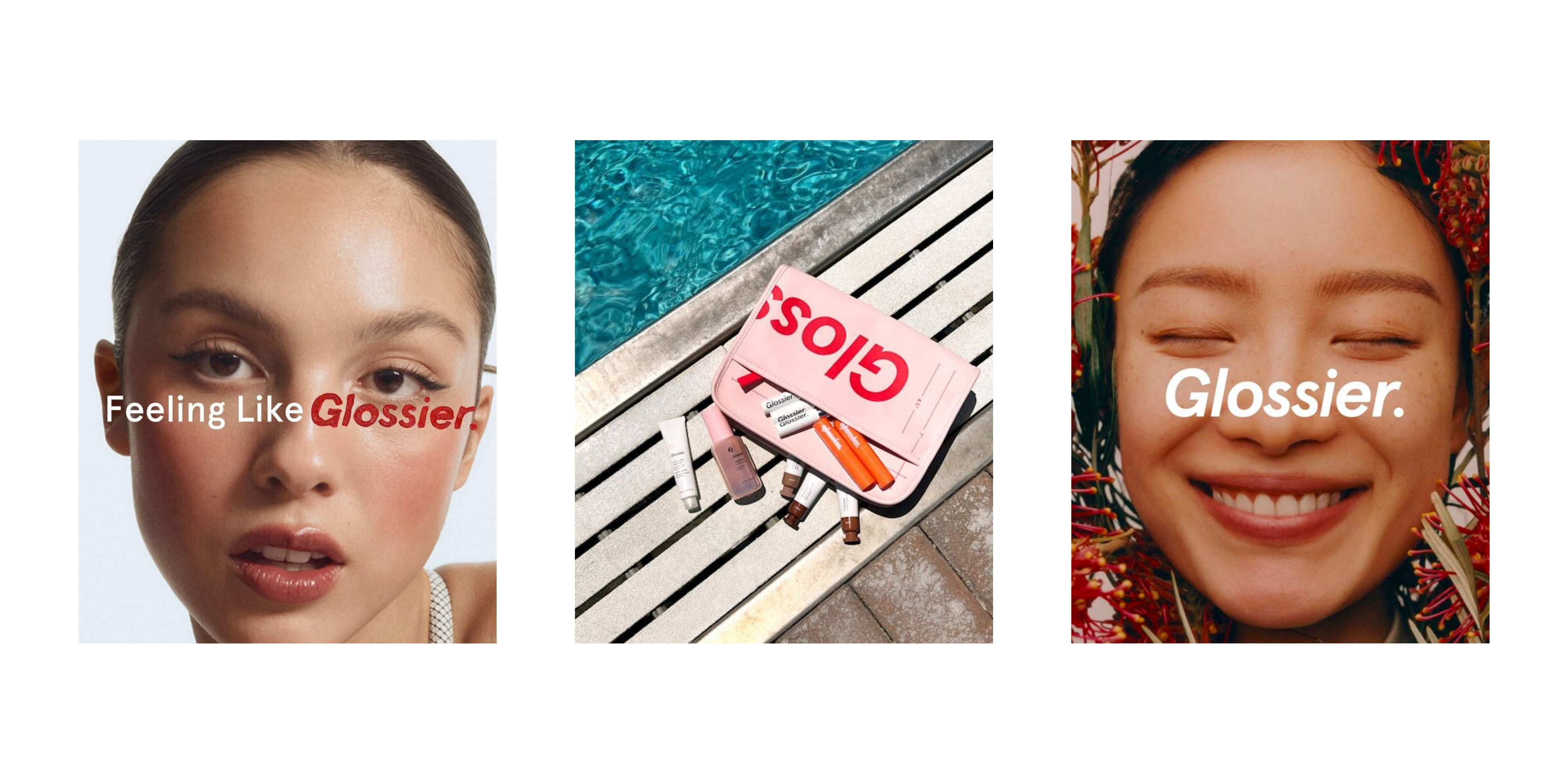 Image via Glossier
Rhode approaches community building differently. While Hailey Bieber’s visibility gives the brand attention, its credibility comes from education and demonstration. Product launches are supported by ingredient explainers, skincare routines, creator tutorials, and real-life use cases. The Peptide Lip Treatment became known through the countless ways people styled and carried it, while the Pocket Blush spread through everyday makeup routines across TikTok and Instagram. The products gained traction because people showed how they used them, not because the brand repeated why they were good.
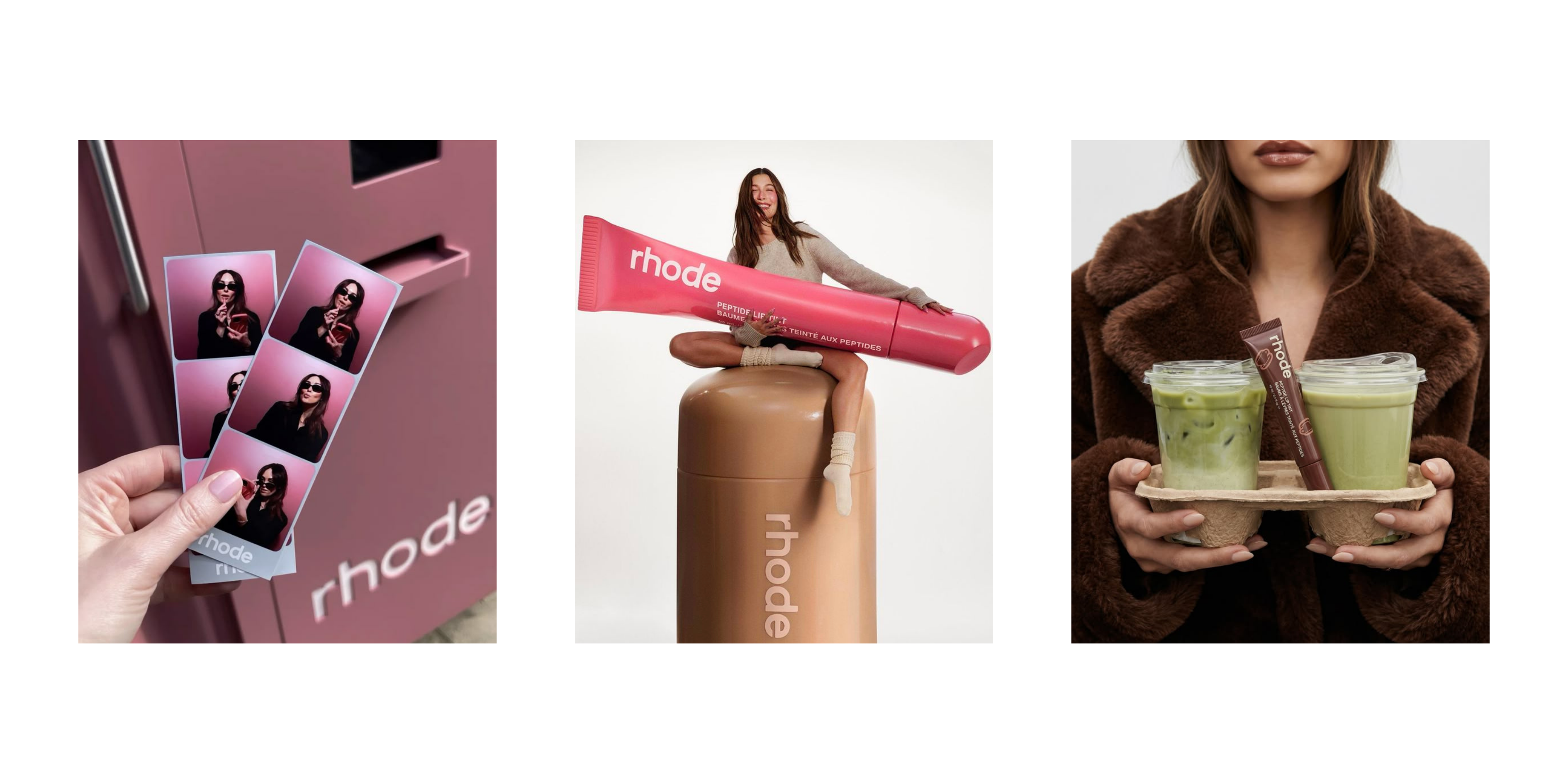 Image via Rhode
What’s interesting is that neither brand relies on authority alone. They reduce uncertainty by allowing people to encounter the product through different voices and experiences before making a decision. The product is still central, but the people using it become just as important as the people selling it. The role of the brand is no longer just to make claims, but to create an ecosystem where those claims are reinforced by people, experiences, and shared knowledge.
Perhaps that’s the bigger lesson beyond beauty. Glossier and Rhode aren’t simply selling skincare. They’re also reducing uncertainty. By the time someone decides to buy, they’ve often encountered the product through multiple perspectives: founders, creators, customers, routines, reviews, and conversations. The purchase feels less like a leap of faith and more like a decision that’s already been validated.
In categories where products can be easily copied and compared, competitive advantage doesn’t always come from having the loudest message. It comes from making the decision feel easier. The brands people trust most today aren’t necessarily the ones speaking the most; they’re the ones creating enough evidence that others start speaking for them.