

What can a brand tell us about the people who buy it? More than we might think. The way brands communicate, the products they create and the experiences they prioritise often reveal changes in what people value, how they make decisions and what they expect from businesses. A shift in packaging, a new kind of retail experience or even a change in the language brands use can be an early signal of something bigger happening in culture.
Ather has made electric mobility feel more like a technology and lifestyle choice than simply an alternative to petrol scooters. Its approach reflects a consumer expectation that even traditionally functional categories can offer better experiences, thoughtful design and a stronger connection to the way people want to live.
 Image via Ather
Rare Rabbit has built menswear around a more premium, contemporary expression of Indian fashion. It reflects a shift towards stronger self-expression, where consumers aren’t simply looking for functional clothing, but products that reflect their identity and how they see themselves.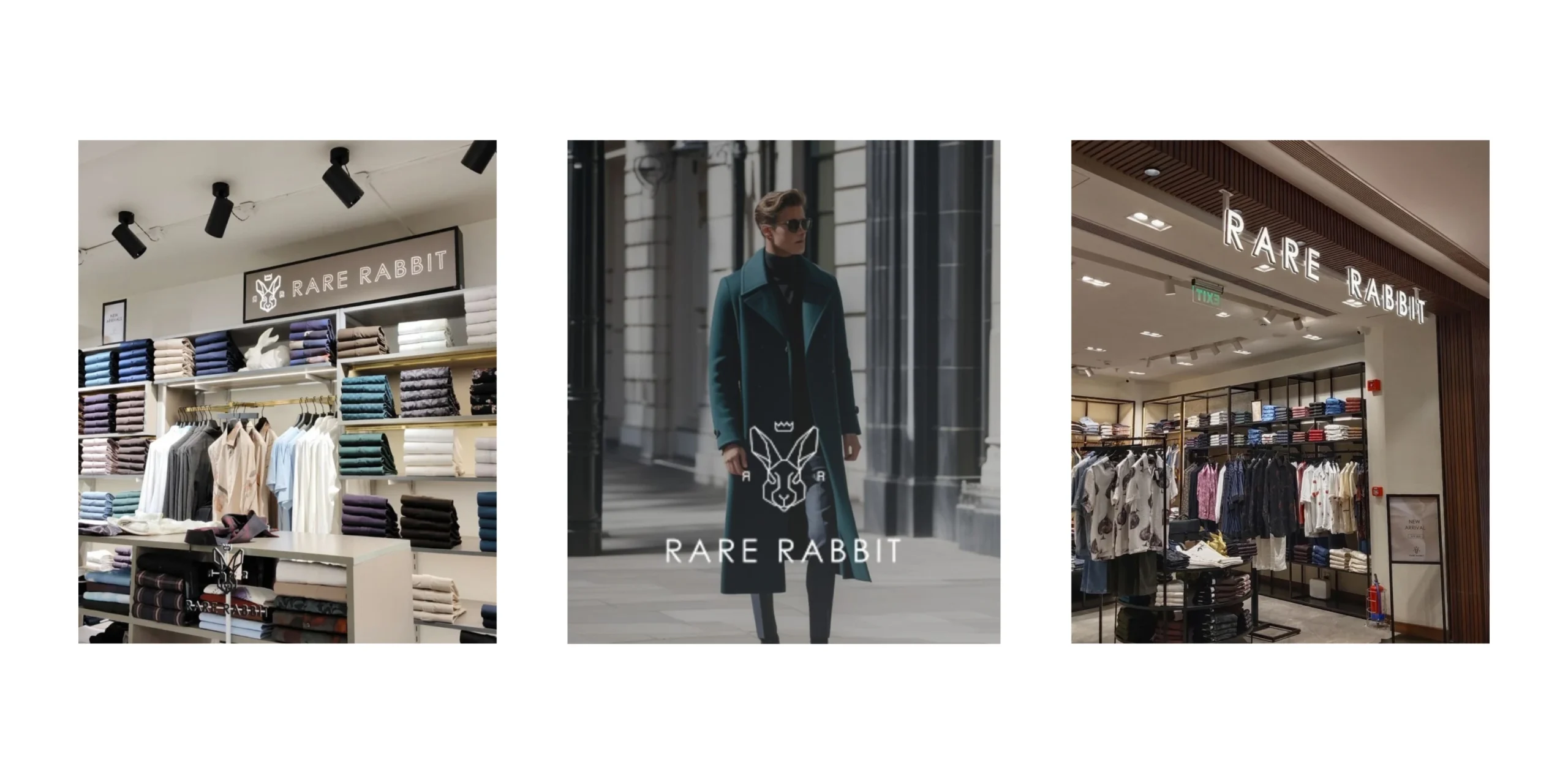 Image via House of Rare
Nicobar takes a different approach, it has approached everyday products through a slower, design-led lens, creating a lifestyle world around objects that were once treated as purely functional. The brand reflects a growing desire for products and experiences that feel considered, meaningful and connected to a particular way of living.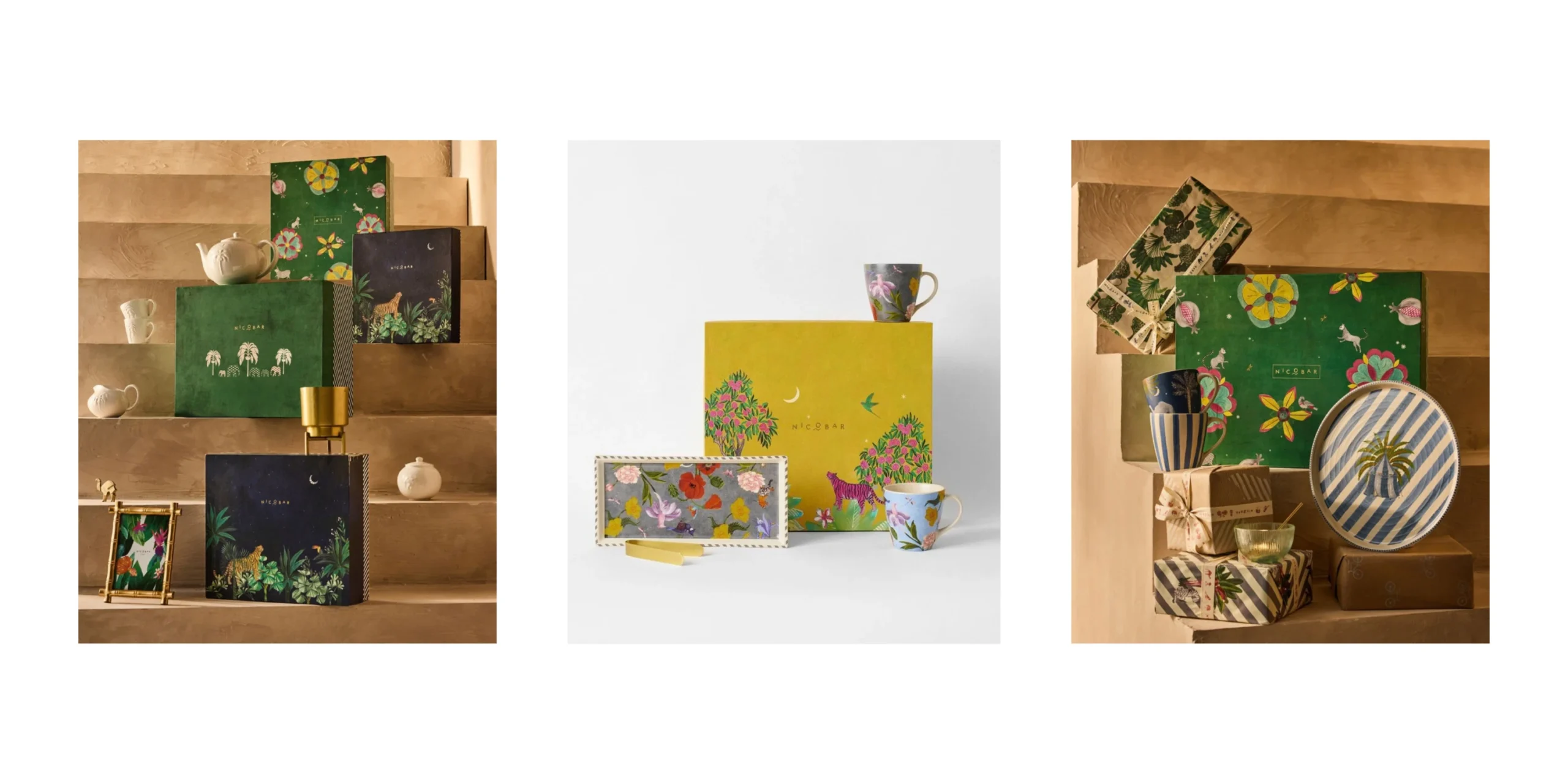 Image via Nicobar
Each brand reflects a different shift in consumer behaviour: people are looking for better experiences, stronger self-expression and products that feel connected to how they want to live.
The same pattern appears across categories. Beauty consumers increasingly want ingredient clarity rather than vague promises. Food brands are communicating provenance and formulation more openly. Fashion brands are building communities rather than relying only on seasonal collections. Even traditionally functional categories are becoming more expressive and experience-led.
When enough brands begin responding to the same expectation, it becomes difficult to dismiss it as a trend. It starts to tell us something about how people are changing.
Studying brands, therefore, is not simply about asking why one business is successful. It is about looking at what that success reveals. What are people responding to? What are they rejecting? What has become normal that wasn’t five years ago?
Sometimes the answer is visible in a campaign. Sometimes it sits in a product decision, a comment section or the way customers interact with a category. These small signals can reveal larger shifts in behaviour before they become obvious. Because branding doesn’t happen in isolation. It responds to people, and people respond back.
Brands are evidence of changing expectations, habits and relationships with products. When we study them closely, we aren’t just learning how businesses build relevance. We are learning what people are beginning to value and where culture might be heading next.