

For a long time, the ingredient list was one of the least visible parts of a product. It sat on the back of the pack, often written in small type and filled with names most consumers had little reason to understand. The front of the product did the selling through claims such as “natural,” “clean,” “science-backed” or “premium.” That relationship is beginning to change. Consumers are asking more questions about what they are buying, particularly in categories such as food, skincare and wellness. They want to know what is inside a product, why an ingredient has been used and whether the brand is willing to explain it clearly. Ingredient information is moving from being a regulatory requirement to becoming part of how a brand earns trust.
Mamaearth is an interesting example of this shift in Indian personal care. The brand made ingredient choices a visible part of its consumer communication, particularly by highlighting what its products contain and what they are formulated without.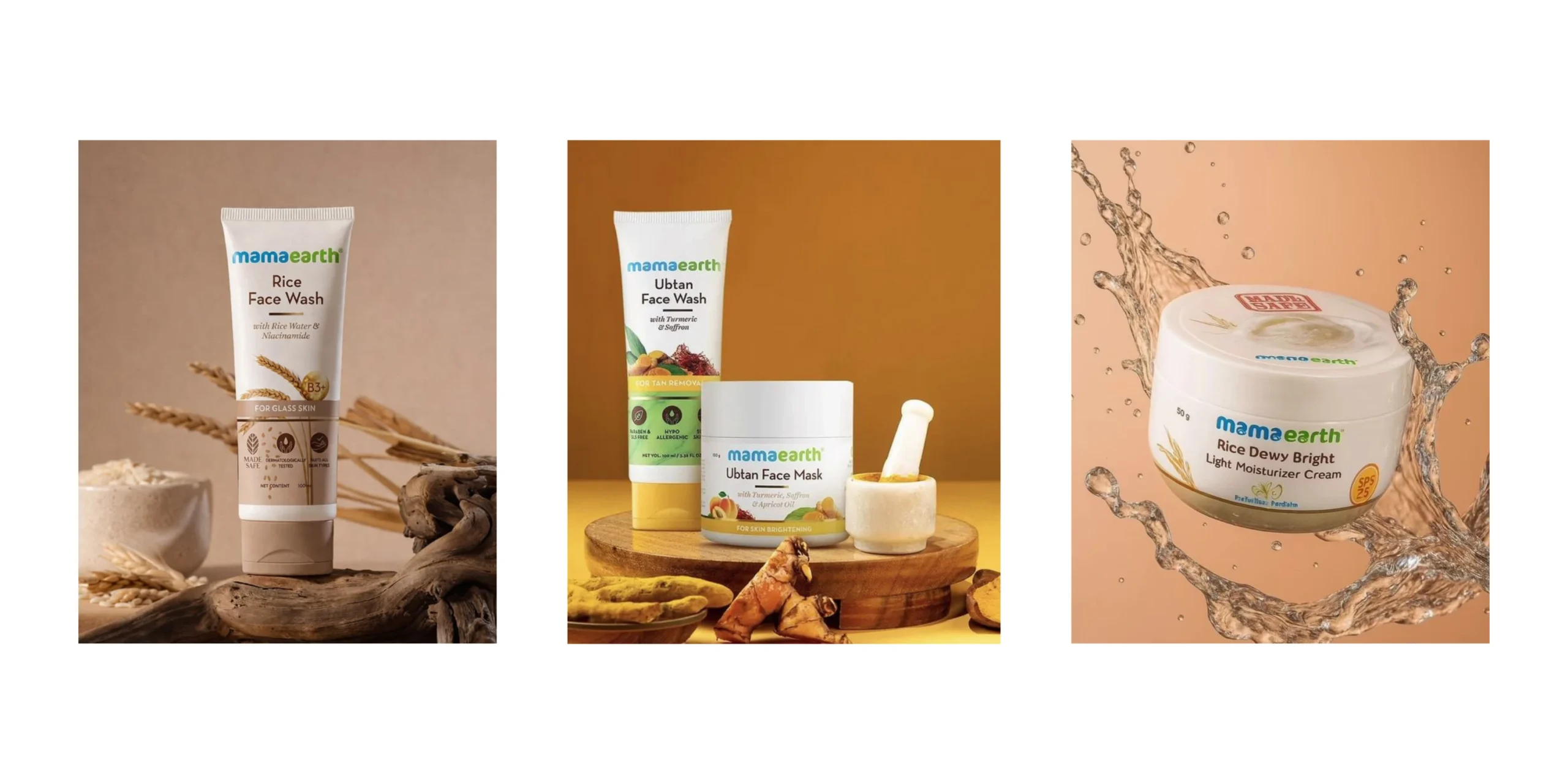
Image via Mamaearth
Minimalist has taken a more formulation-led approach in skincare, making specific ingredients and their concentrations an important part of how its products are presented. A percentage such as “10%” gives consumers something concrete to understand instead of relying on broad claims.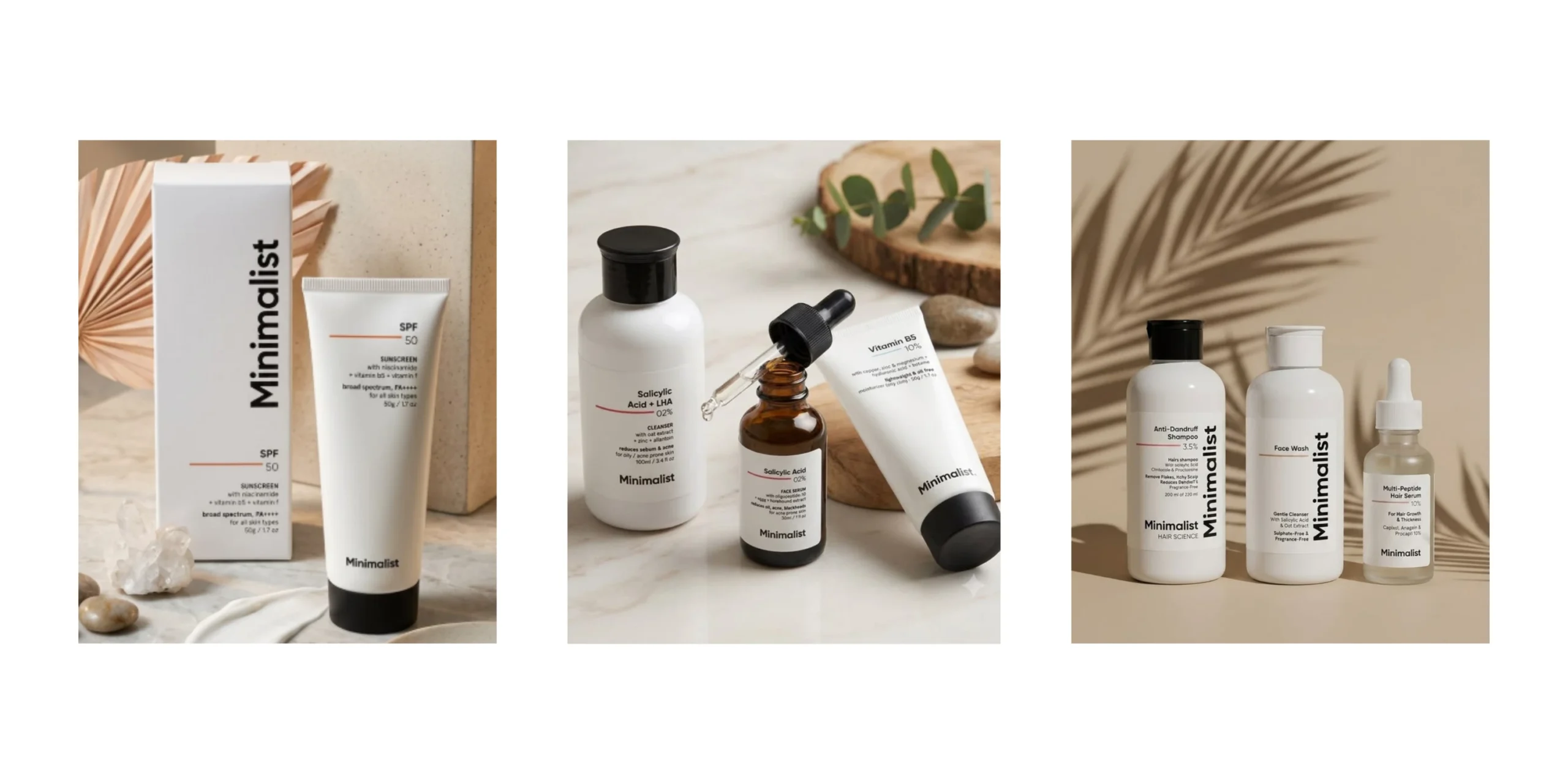 Image via Minimalist
Deconstruct takes this further by focusing on making skincare ingredients and their functions easier to understand. Across these brands, ingredients are no longer simply technical information; they are becoming part of the brand’s positioning.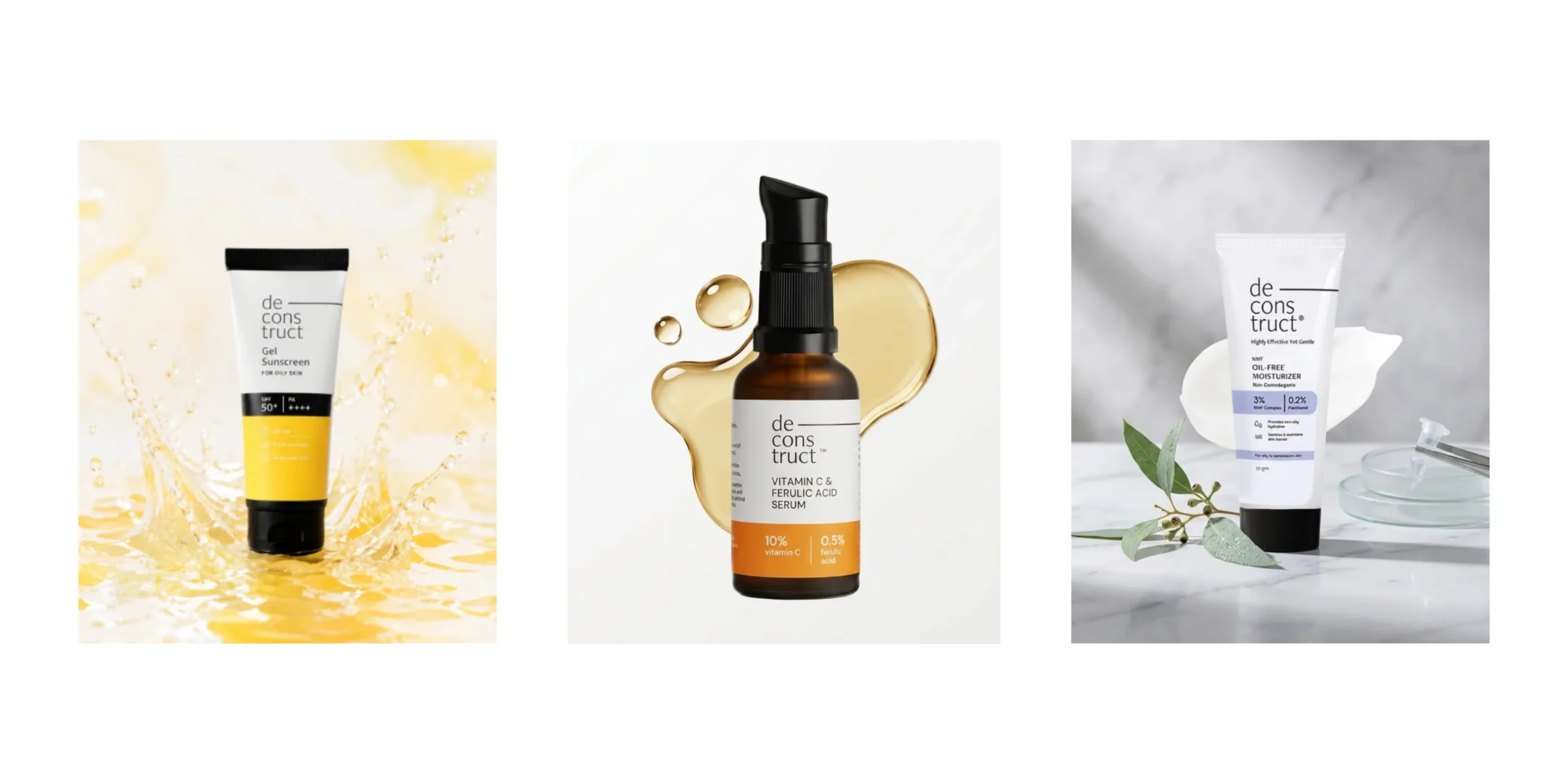 Image via Deconstruct
What makes this interesting is how ingredient transparency can influence the entire brand experience. It can shape packaging, product descriptions, social content, website design and tone of voice. Ingredient names, percentages, formulation details and educational content can become recurring brand assets. As consumers become more comfortable researching products before purchasing them, brands have an opportunity to participate in that research rather than leaving consumers to decode the product themselves. The strongest brands are not simply giving consumers more information; they are making that information easier to understand.
But there is an important distinction between looking scientific and being transparent. Complex terminology, laboratory imagery and technical claims can make a product appear credible without necessarily making it easier to understand. Real transparency means explaining why an ingredient is there, what it does and what the consumer can realistically expect. It is less about showing how much a brand knows and more about helping the consumer make a decision. In that sense, transparency can also become a new form of premium: confidence without the mystery.
The bigger shift is that ingredients are no longer necessarily sitting behind the brand. They can become part of the brand story. Mamaearth uses ingredient choices as part of its consumer-facing proposition, Minimalist uses formulation specificity to create clarity, and Deconstruct uses education to make skincare science more accessible. Different approaches, but the same underlying movement: consumers are moving from “Tell me why your product is good” to “Show me what makes it good.” When transparency consistently shapes what a brand says, shows and explains, it stops being a communication tactic and becomes part of the identity itself.