

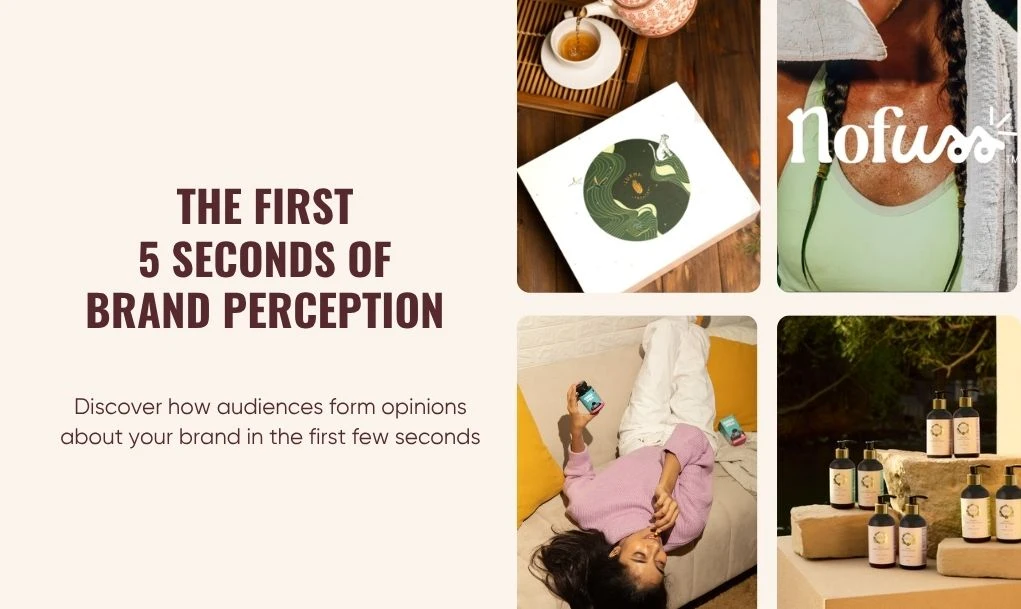
Most people think brand perception is built slowly. Through repeated interactions, marketing campaigns, product experiences, and customer loyalty. And while that’s certainly true, something equally important happens much earlier.
Not because they’ve analysed your brand, because they’ve felt it. At Summer Owl, we’ve realised that those first few seconds are rarely shaped by a single logo or colour palette. They’re built through a collection of signals working together—how a brand looks, sounds, behaves, and presents itself across touchpoints.
Take typography, people may never consciously notice a typeface, but they instantly register what it communicates. For Sajjakapur, serif-led typography and ornamental details helped create a sense of heritage, elegance, and craftsmanship. Cubs Lane needed to feel playful and approachable. NoFuss relied on simplicity and restraint to communicate clarity and confidence.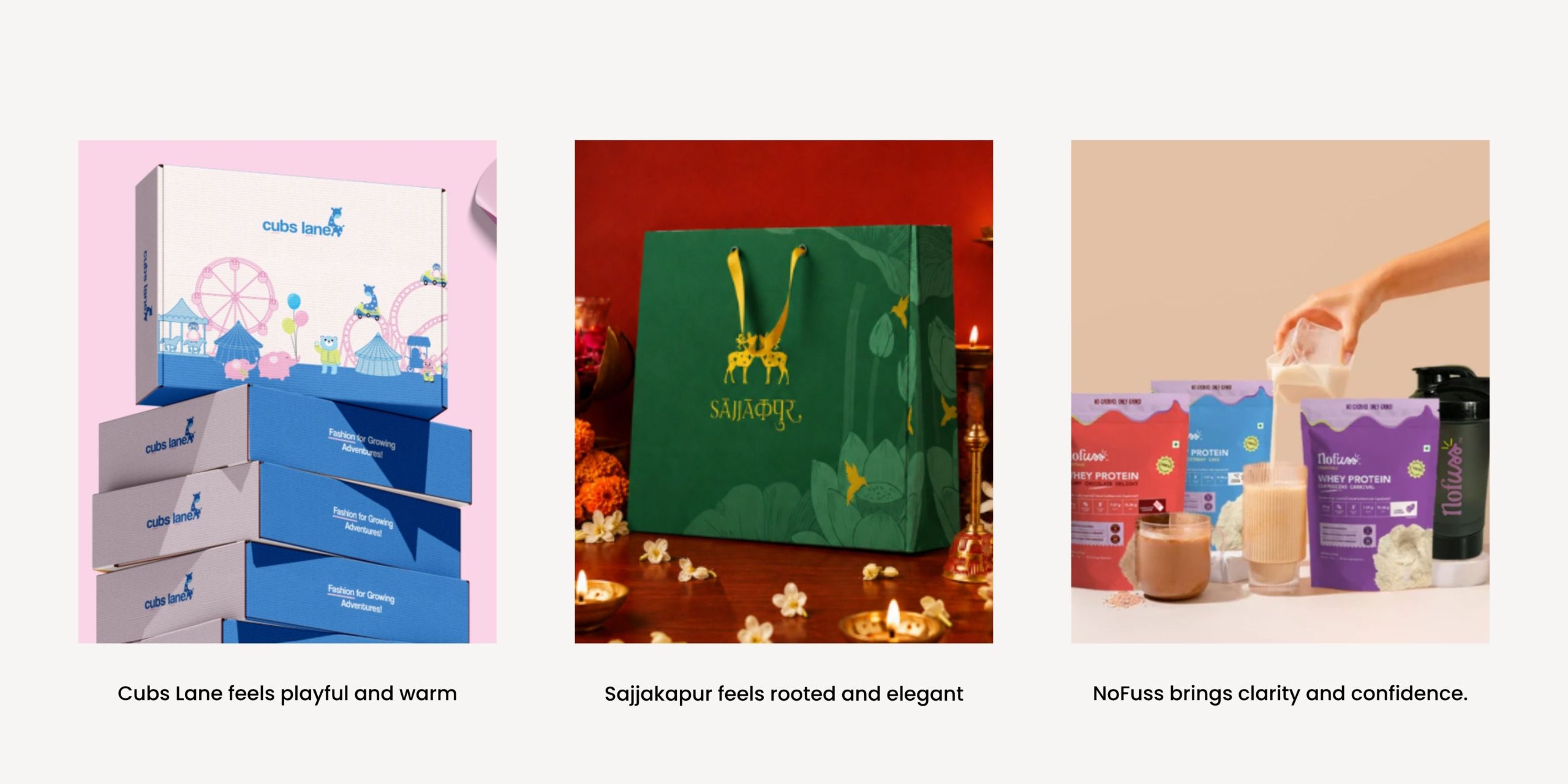
Three brands with completely different perceptions, and all before a single sentence is read. But visual identity is only one layer. Tone of voice often shapes perception even faster, especially on social media. Puraveda communicates through calm authority. Its content feels nurturing, educational, and modern without becoming overly clinical. Evolving Apes takes a different route entirely. The brand feels energetic, conversational, and deeply rooted in internet culture.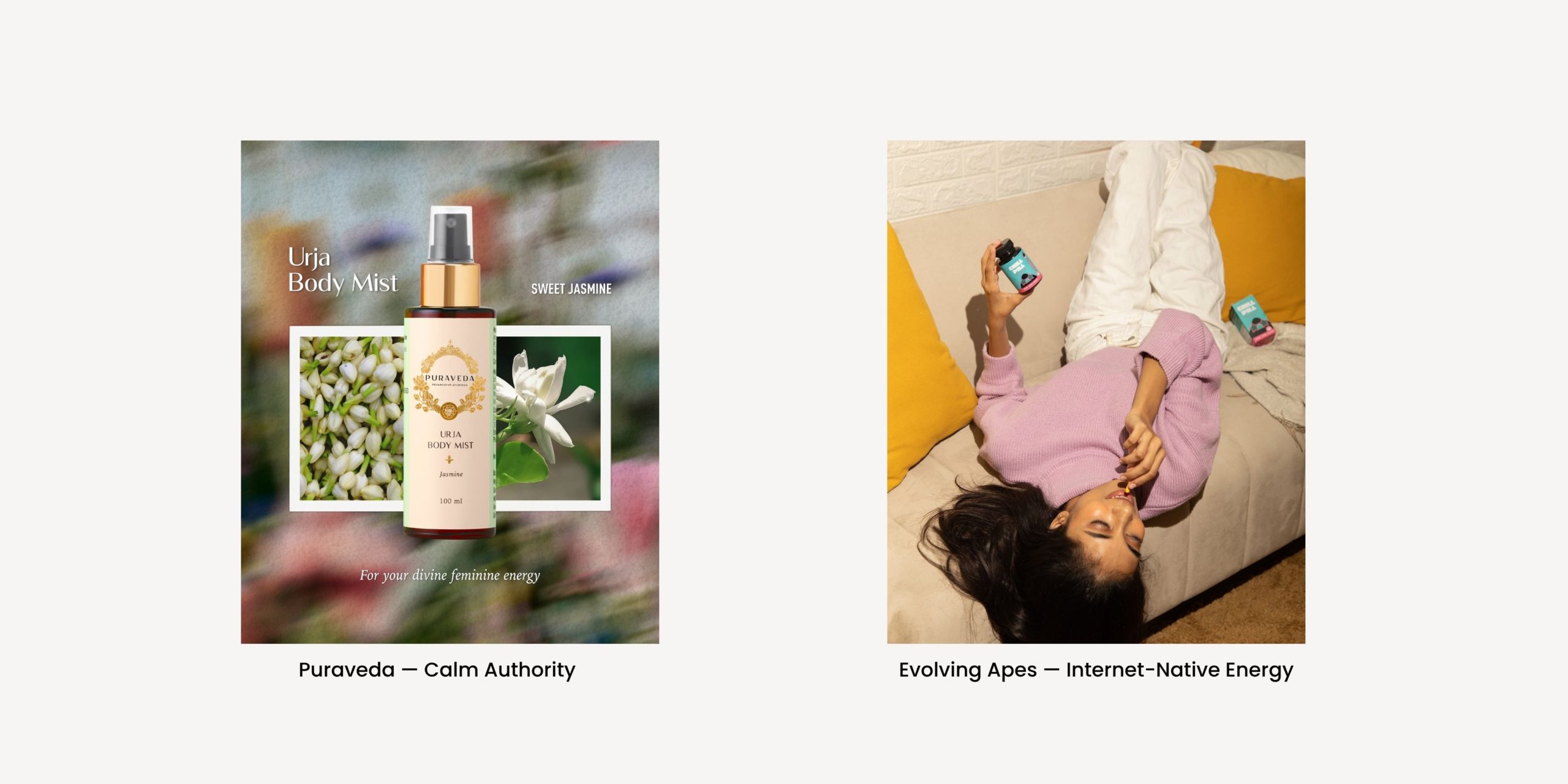
Both operate in wellness, and both build trust. Yet they create entirely different emotional responses. Because people don’t simply read brand communication. They respond to how it makes them feel.
The same principle applies to packaging. Before consumers understand ingredients, benefits, or features, they’ve already made assumptions about value. Luxmi Estates communicates premium quality through restraint and estate storytelling. The packaging feels refined, rooted, and considered. TNE (The Natural Experience) approaches packaging through emotion. Through affirmations, patterns, and a softer visual language, the product becomes part of a self-care ritual rather than simply a candle.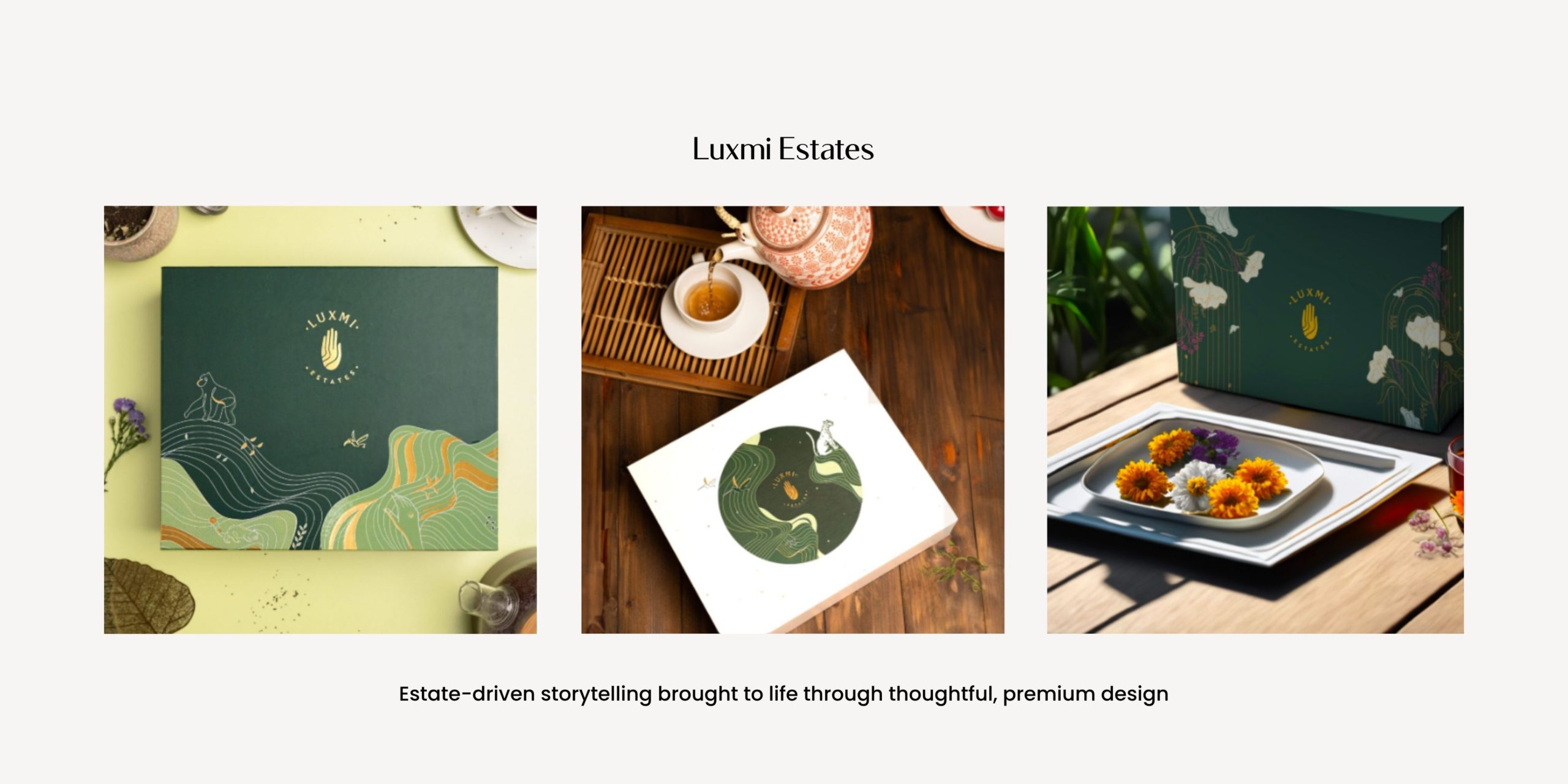
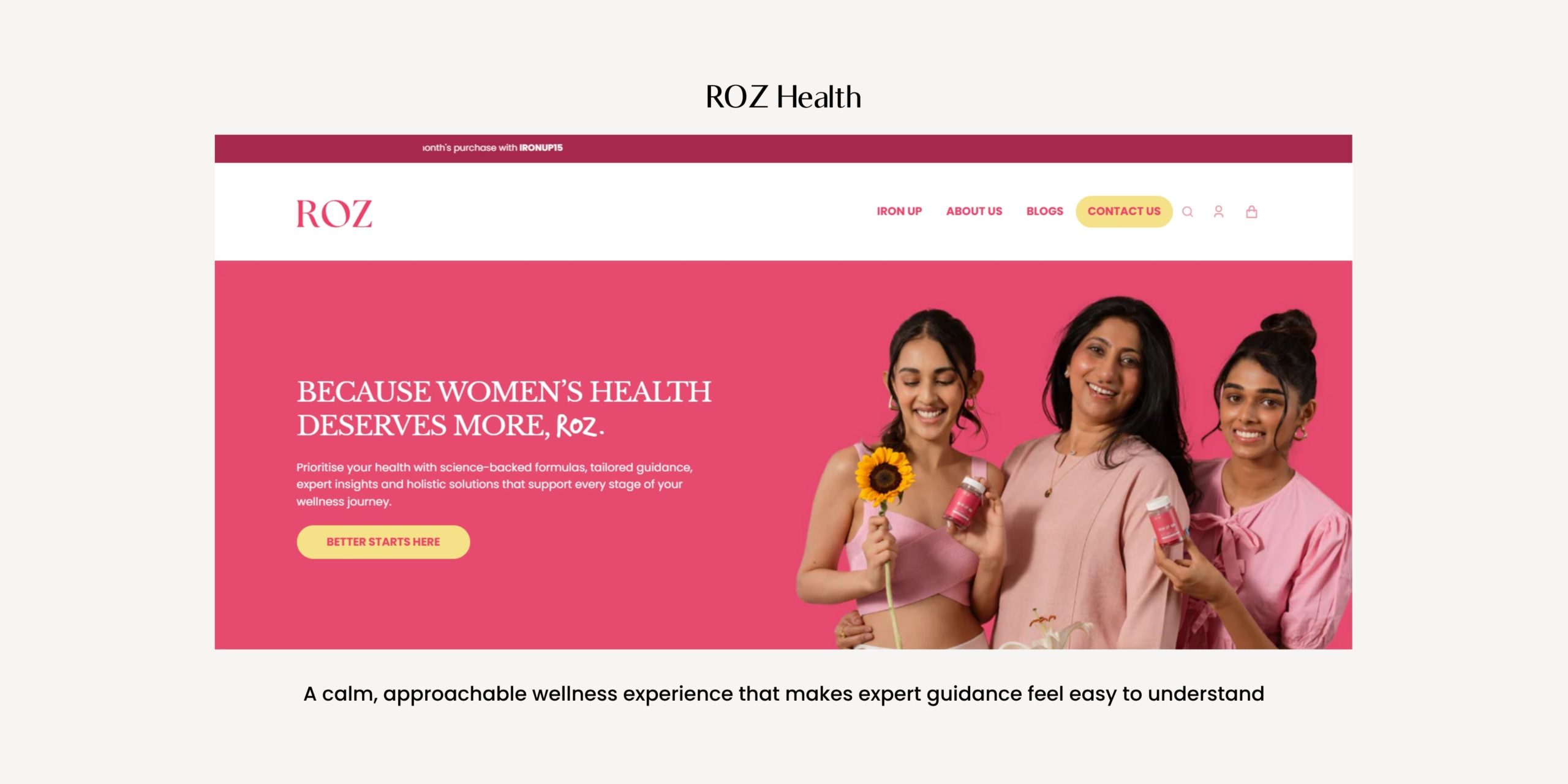
Both shape expectation before experience. Then there’s UX. Today, many first interactions happen on a screen. Which means trust is often formed before a user reads a single paragraph. When designing Roz Health, the challenge wasn’t just presenting information—it was making research-backed wellness feel approachable. The experience was intentionally structured to feel calm, easy to understand, and supportive. Less like a medical portal, more like a trusted companion.
People no longer experience brands solely through campaigns and websites. They encounter them through comments, notifications, customer support, collaborations, and community interactions. Think about brands like Swiggy or Zomato. Their perception isn’t built only through design systems. It’s built through how they participate in culture, respond to audiences, and consistently show up. Over time, those interactions become just as recognisable as a logo.
Which brings us to the biggest shift in branding today. People don’t judge brands through a single touchpoint anymore. They judge them through a collection of small moments that quickly become a larger feeling. Consistent behaviour creates memory. The first five seconds of brand perception aren’t superficial. They’re foundational.
Because in a world where attention is limited and choices are endless, people remember brands less for what they claim and more for how they make them feel. And sometimes, that feeling is what decides whether someone stays long enough to discover everything else.