


In 2025, something striking happened in the world of branding: the conversation spilled out of boardrooms and into culture writ large. No longer confined to logos and colour palettes, branding became the subject of debates, headlines, and public opinion — sometimes celebrated, sometimes contested, and sometimes critiqued for what it signaled rather than what it was intended to communicate.
This wasn’t a trend. It was a turning point.
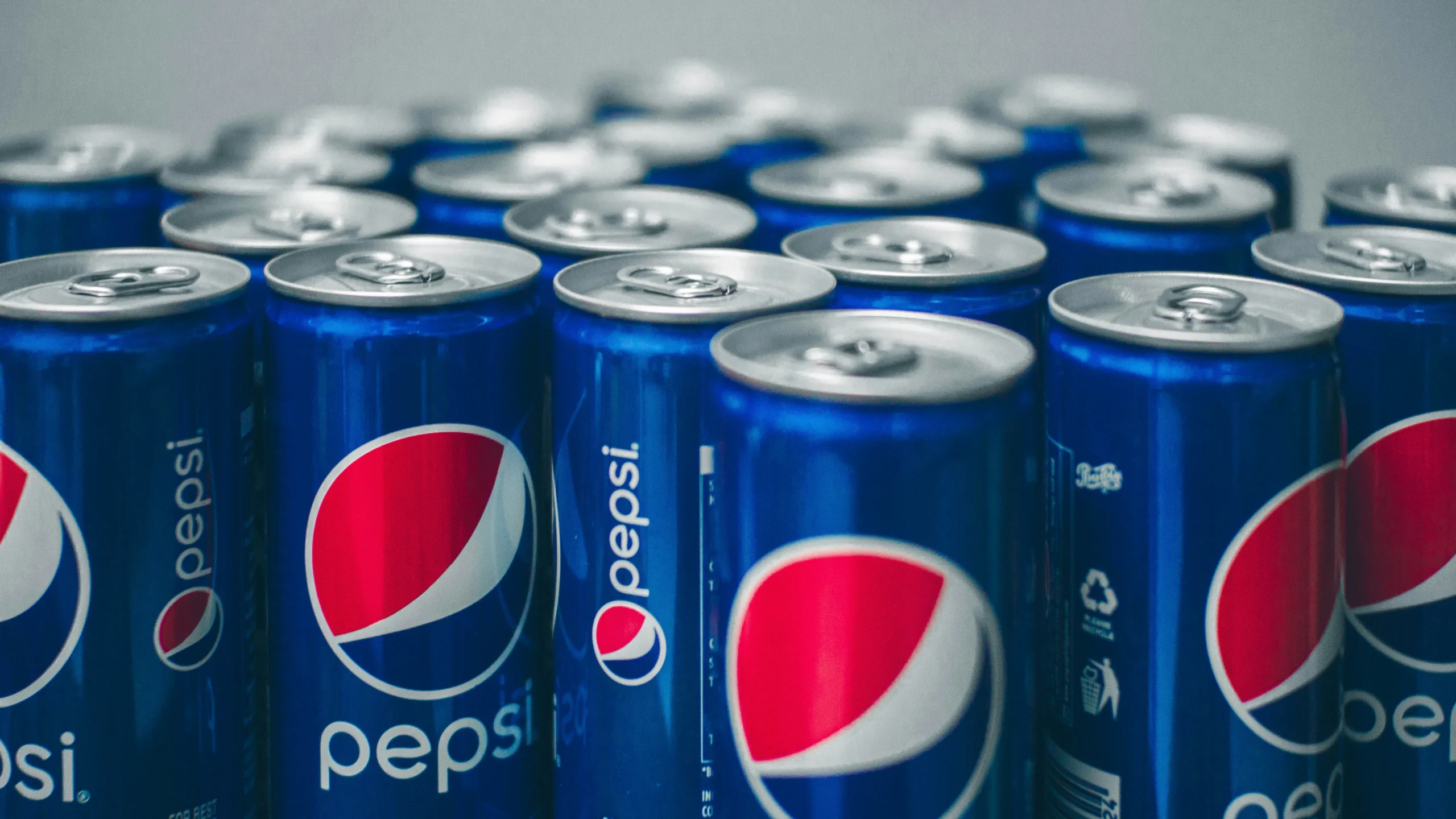
The opening move of the year was PepsiCo’s corporate brand overhaul, its first in nearly 25 years. The global food and beverage giant introduced a new visual identity that aimed to reflect not just its soda heritage, but its entire ecosystem of over 500 brands, from snacks to nutrition and sustainability commitments.
The refreshed identity wasn’t just a redesign. It was an attempt to bring purpose and portfolio coherence into a single visual language — a “P” that symbolised food, water, sustainability, and smiles. But like every bold brand moment in 2025, it was met with equally bold conversation. On social platforms, audiences debated whether the new identity reflected the company’s heritage or felt too generic, a sign of the times in which a global corporate brand needs to be “neutral enough” to sit comfortably in any context.
The Sydney Sweeney-led campaign — built around her public persona, femininity, and cultural symbolism — quickly moved beyond advertising and into discourse. What was meant to be a bold, attention-grabbing brand moment became a lightning rod for conversation around race, power, gender, and privilege. The brand may have planned a campaign, but culture turned it into a referendum.
What stood out wasn’t whether the campaign was “good” or “bad,” but how quickly it became cultural material. The brand no longer controlled the narrative — culture did.
These moments underscore something I’ve been thinking a lot about lately: In a moment of intense consumer scrutiny and cultural conversation, branding is no longer peripheral. It’s central.
For decades, branding was viewed as a discipline — a means to package and present an identity. But today, in a world where audiences interpret everything through cultural lenses, branding is a cultural contract. It’s not just what you say about your brand; it’s how the world feels about what you’re saying and often, how it amplifies or questions that feeling.
This shift isn’t accidental.
PepsiCo’s identity overhaul wasn’t just about updating a symbol. It was about reconciling legacy with a diverse global portfolio, and trying to create a single visual language that could carry both heritage and future ambition. Similarly, Gap’s Better in Denim campaign didn’t succeed because of choreography or nostalgia alone — it succeeded because it reconnected denim to a cultural moment where it is not just fashion, but a medium of self-expression, confidence, and inclusivity for Generation Z.

But with this opportunity comes responsibility.
When branding becomes a cultural conversation, missteps are amplified. Audiences call out inconsistency not just in messaging, but in meaning. They question intent and interpretation, and they hold brands accountable in public forums.
So what does this mean for creators, strategists, and brands?
It means we must design not only with aesthetics and strategy, but with empathy and awareness.
Because here’s the truth:
Branding doesn’t exist outside culture anymore.
It exists within it —shaped by it, critiqued by it, and living in the language of its audiences.
And that’s why 2025 feels like a watershed year.
Not because branding changed, but because the world changed its expectations of what branding must do.
It must connect.
It must resonate.
It must mean something.
Not just in visuals but in values, context, and conversation.
And that is where the future of branding truly lives.